

General Dermatology
Evidence-based care for skin, hair and nails, led by a specialist dermatologist.
At iDerm, every treatment recommendation is grounded in clinical evidence and led by Dr Lisa Connelly, specialist dermatologist in New Zealand. We treat the full spectrum of skin, hair and nail conditions for patients of all ages.
-
Acne
Persistent breakouts, hormonal acne, scarring — acne is more than skin deep, and effective treatment makes a real difference. The earlier you seek specialist care, the better the outcome.
-
Eczema & Dermatitis
Dry, itchy, inflamed skin that flares and fades but never fully goes away. Eczema is chronic, but with the right management plan it can be well controlled.
-
Rosacea
Persistent redness, flushing, and visible blood vessels on the face. Rosacea is often mistaken for other conditions — specialist diagnosis makes all the difference.
-
Skin Cancer & Mole Checks
New Zealand has one of the highest rates of skin cancer in the world. Early detection is everything. Dr Connelly provides expert skin cancer assessment, mole checks, and surgical management.
-
Pigmentation
Sun spots, melasma, post-inflammatory discolouration — pigmentation issues are frustrating to treat without the right guidance. We get to the root cause and build a plan that works.
-
Hair Loss & Alopecia
Hair loss can be temporary or permanent, and the cause isn't always obvious. Dr Connelly specialises in diagnosing and treating all forms of alopecia for both adults and children.
-
Hyperhidrosis
Excessive sweating that goes beyond what heat or exercise would explain. Hyperhidrosis can significantly impact daily life and confidence — and there are effective treatments available.
-
Birthmarks
Congenital and acquired birthmarks vary widely in type, location, and treatment options. iDerm is one of only two clinics in New Zealand offering laser treatment for certain birthmarks.
Consultation Options
Initial Consultation
For new patients.
Your first appointment with Dr Connelly is a comprehensive assessment. She'll take the time to understand your skin concerns, medical history, lifestyle, and any previous treatments — and use that to develop an individualised diagnosis and treatment plan that works for you.
30 minutes · $360
Or call us on 06 758 0588
Follow-Up Consultation
For existing patients.
Follow-up appointments allow Dr Connelly to review your progress, adjust your treatment plan, and answer any questions about your skin, hair, or nail concerns and ongoing management.
Up to 15 minutes · $195
Or call us on 06 758 0588
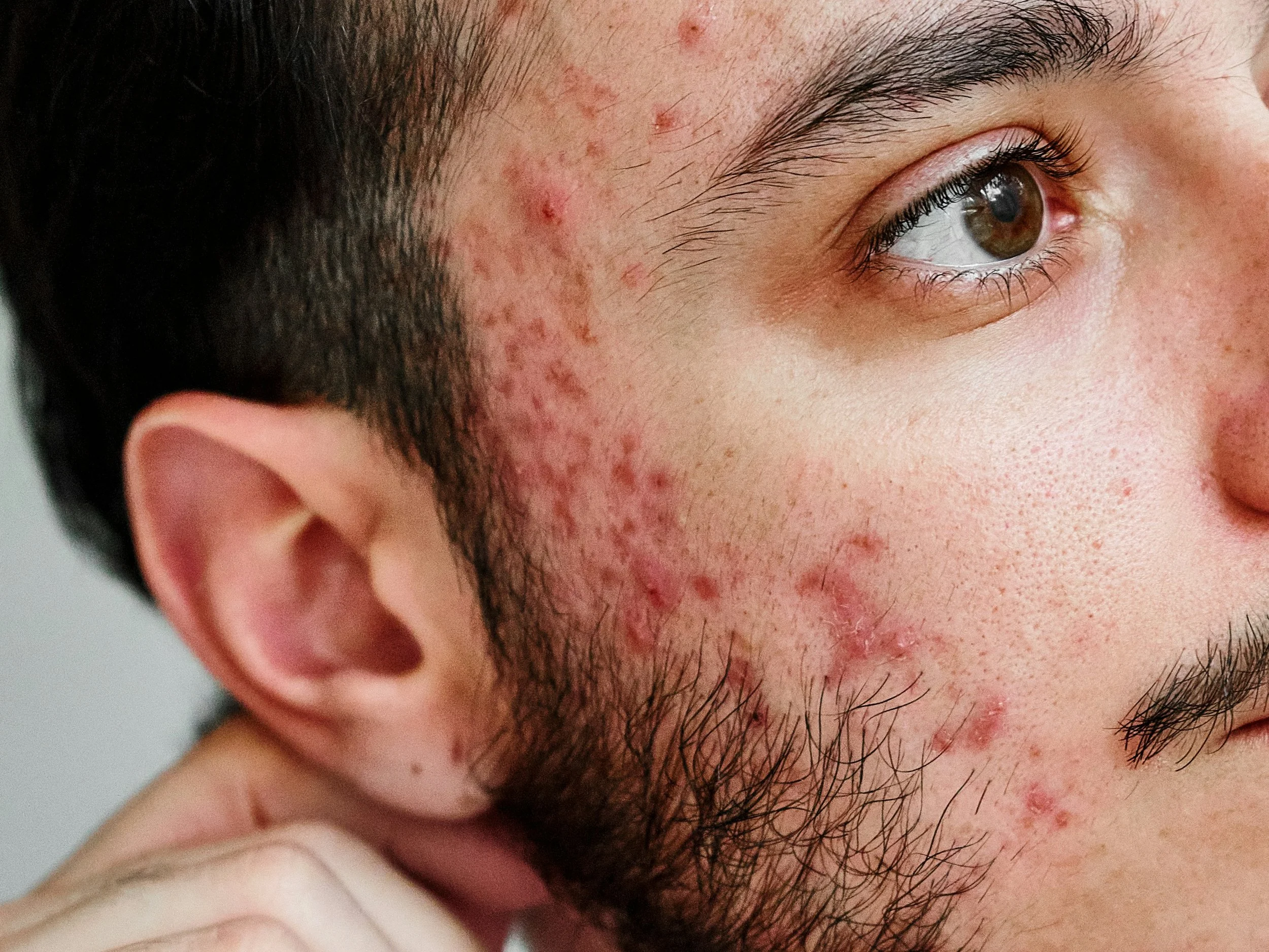
Acne
Acne is a skin condition that occurs when your hair follicles become plugged with oil and dead skin cells. It causes whiteheads, blackheads or pimples. Acne is most common among teenagers, though it affects people of all ages.
Effective acne treatments are available, but acne can be persistent. The pimples and bumps heal slowly, and when one begins to go away, others seem to crop up.
Depending on its severity, acne can cause emotional distress and scar the skin. The earlier you start treatment, the lower your risk of such problems.
Or call us on 06 758 0588
Treatments for Acne include:
Topical or oral medications
Procedural treatments
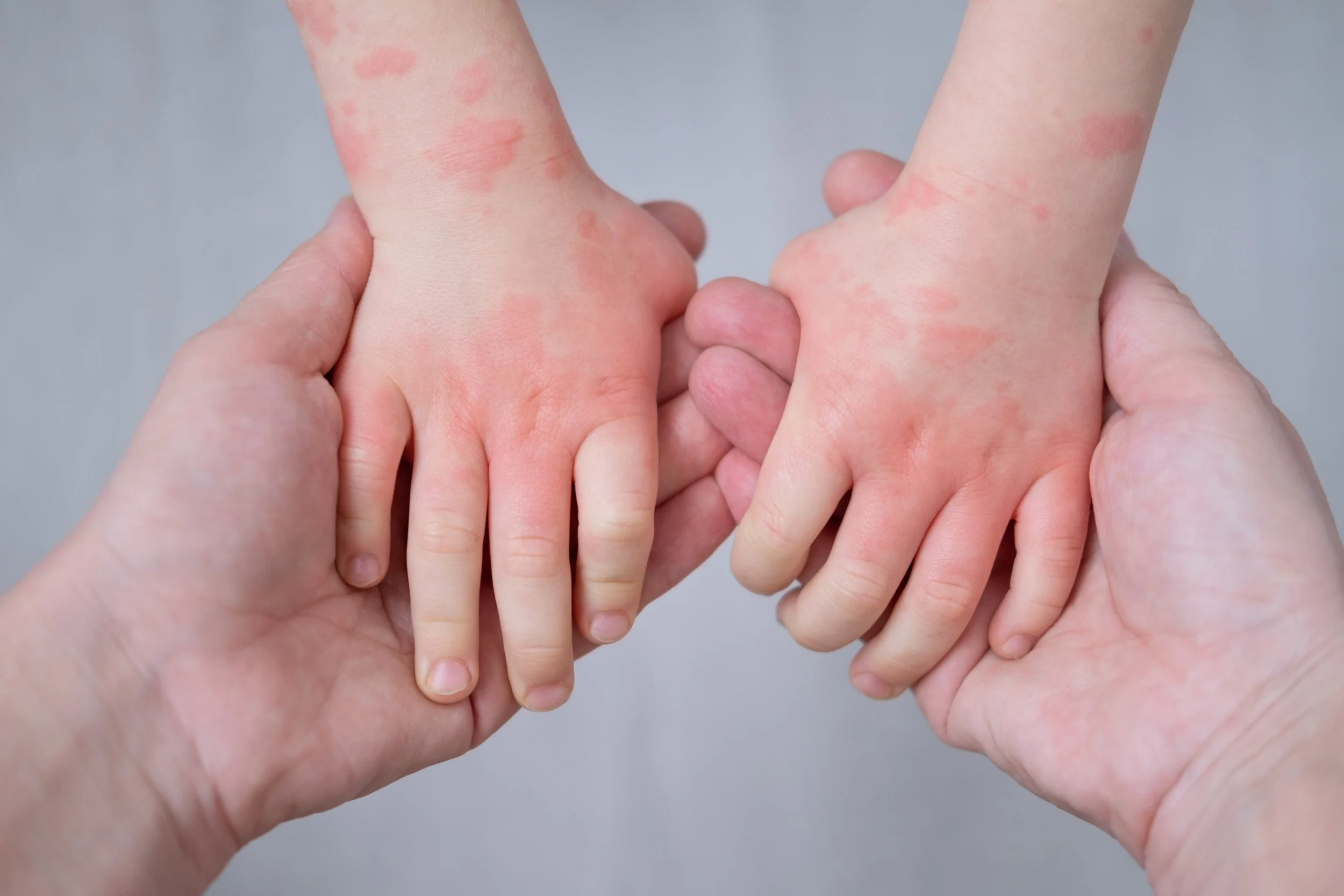
Eczema & Dermatitis
Atopic dermatitis (eczema) is a condition that causes dry, itchy and inflamed skin. It's common in young children but can occur at any age. Atopic dermatitis is long lasting (chronic) and tends to flare sometimes. Eczema is not contagious, but it can be persistent and uncomfortable, significantly impacting sleep, daily activities, and quality of life.
People with atopic dermatitis are at risk of developing food allergies, hay fever and asthma.
Or call us on 06 758 0588
Treatments for Eczema include:
Topical or oral medications
Personalised skincare regime
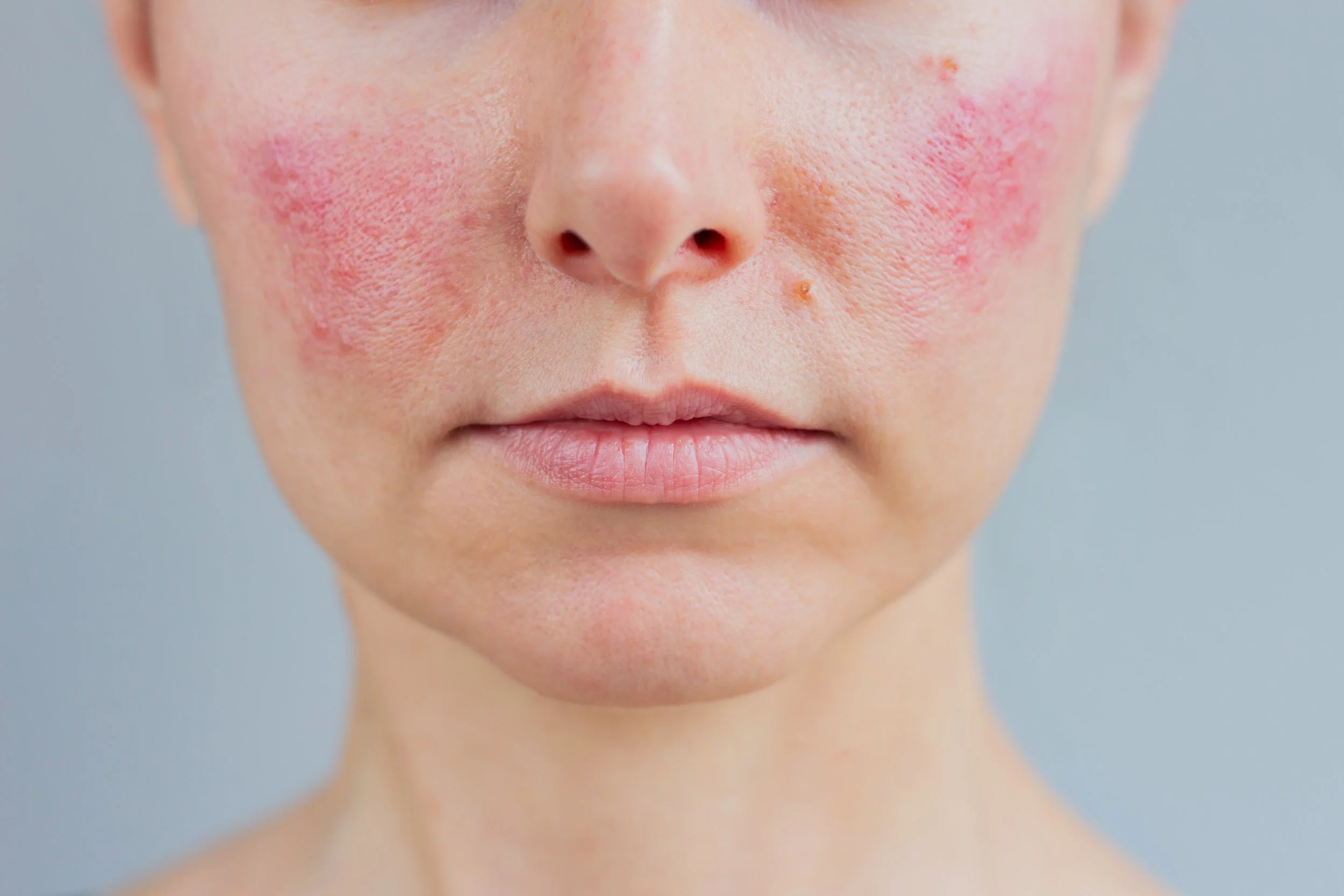
Rosacea
Rosacea (roe-ZAY-she-uh) is a common skin condition that causes flushing or long-term redness on your face. It also may cause enlarged blood vessels and small, pus-filled bumps. Some symptoms may flare for weeks to months and then go away for a while.
Rosacea can be mistaken for acne, dermatitis or other skin problems.
There's no cure for rosacea. But you may be able to control it with medicine, gentle skin care and avoiding things that cause flare-ups.
Or call us on 06 758 0588
Treatments for Rosacea include:
Topical or oral medications
Trigger identification

Pigmentation
Pigmentation concerns occur when melanin—the pigment responsible for skin colour—becomes unevenly distributed, leading to dark patches, spots, or discolouration. These changes can be caused by sun exposure, hormonal fluctuations, inflammation, or genetics. While pigmentation itself is harmless, it can be frustrating and challenging to treat without professional care.
Or call us on 06 758 0588
Treatments for Pigmentation include:
Topical or oral medications
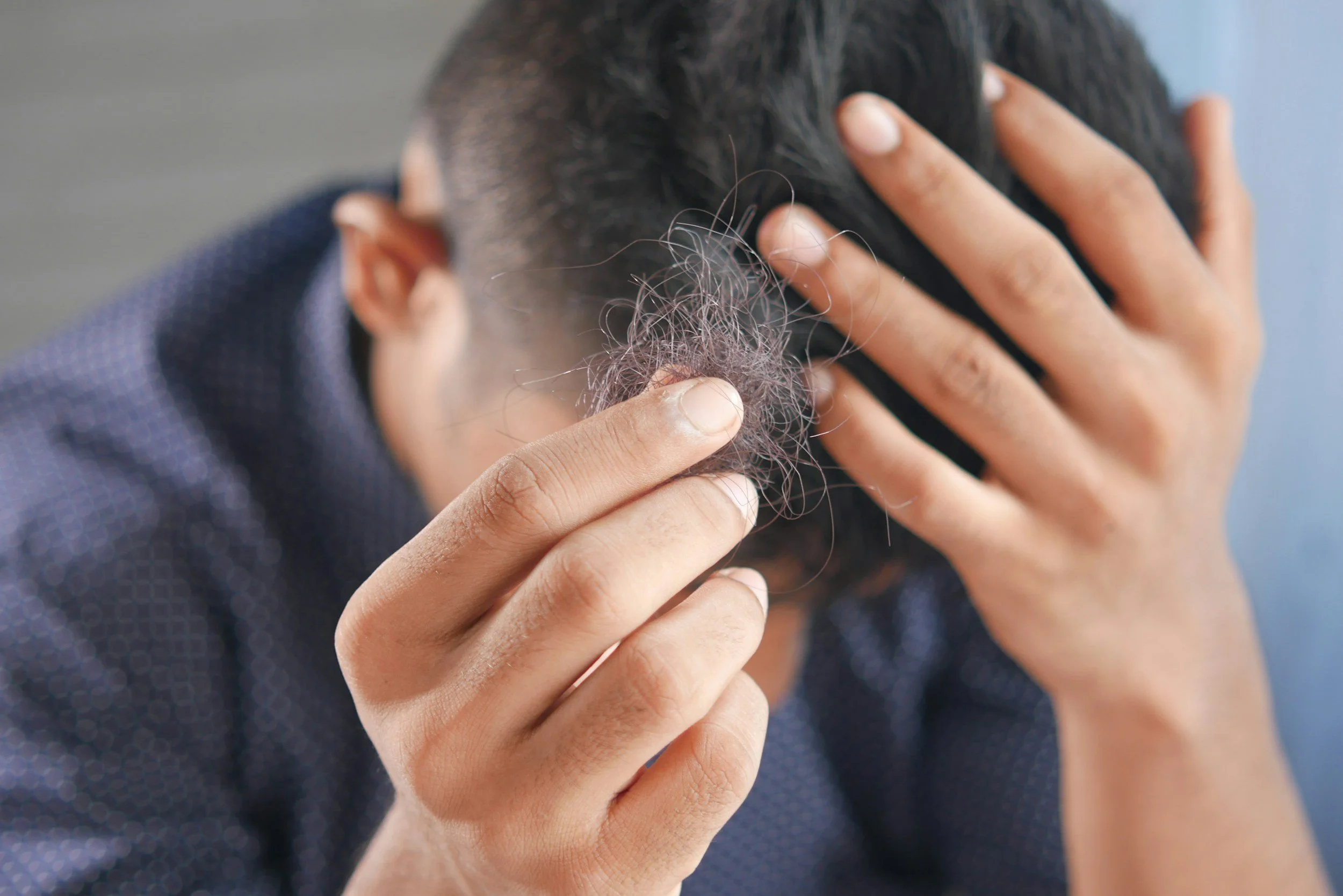
Hair Loss & Alopecia
Hair loss is more common than most people realise — and more complex than it might seem. It can affect the scalp or the entire body, range from temporary shedding to permanent loss, and stem from a wide variety of causes including genetics, hormonal changes, medical conditions, or simply the natural ageing process. Getting the right diagnosis is the first step to finding the right solution.
Or call us on 06 758 0588
Treatments for Alopecia include:
Topical or oral medications
Scalp micro needling
Skincare & supplements
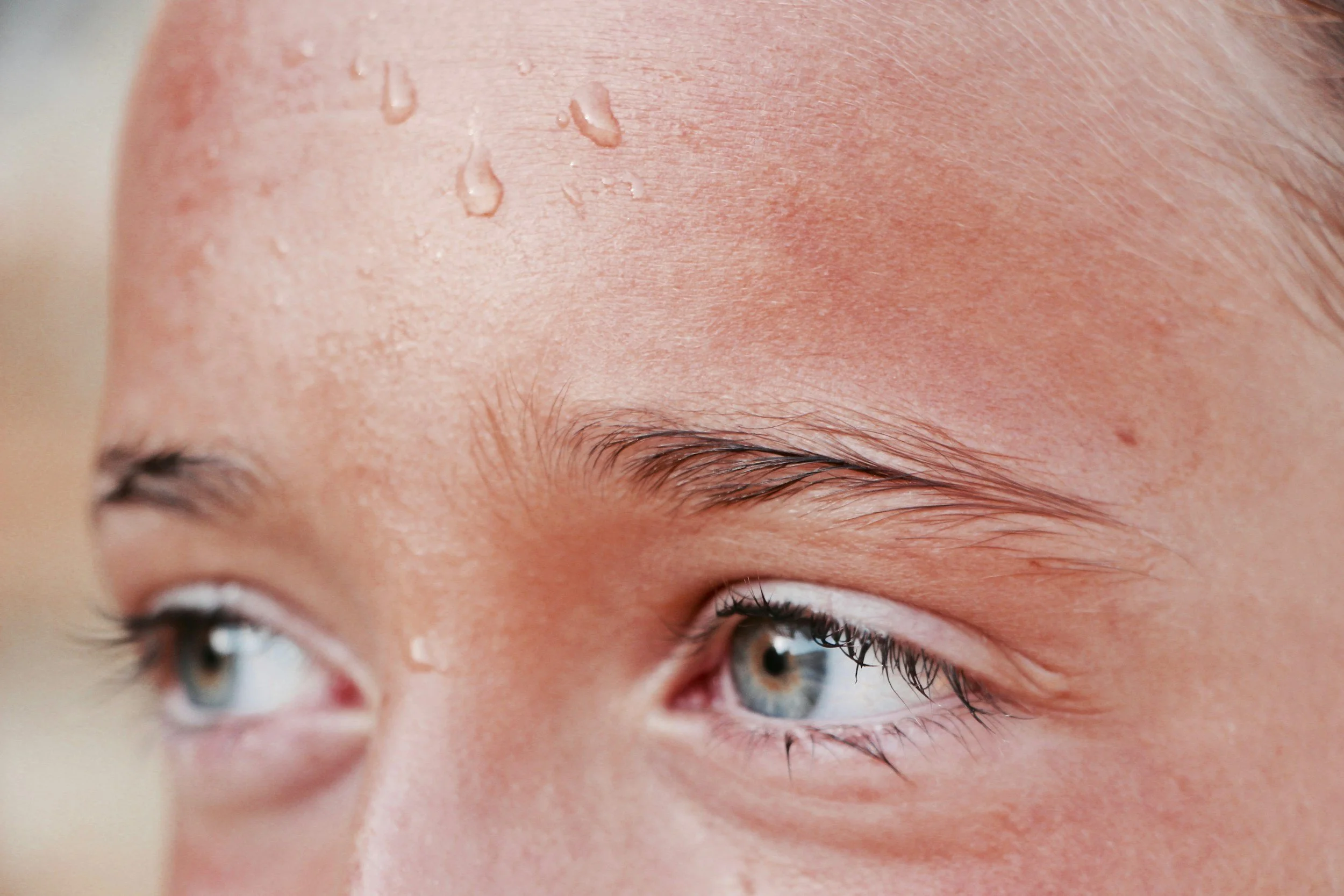
Hyperhidrosis
Hyperhidrosis is a medical condition characterised by excessive sweating beyond what the body needs for temperature regulation. It can affect the underarms, hands, feet, face, or entire body. For many people, it goes far beyond a minor inconvenience. Soaked clothing, clammy hands and the anxiety of unpredictable sweating can significantly impact confidence, relationships and daily life. The good news is that effective treatments are available.
Or call us on 06 758 0588
Treatments for Hyperhidrosis include:
Prescription antiperspirants
Skincare & supplements
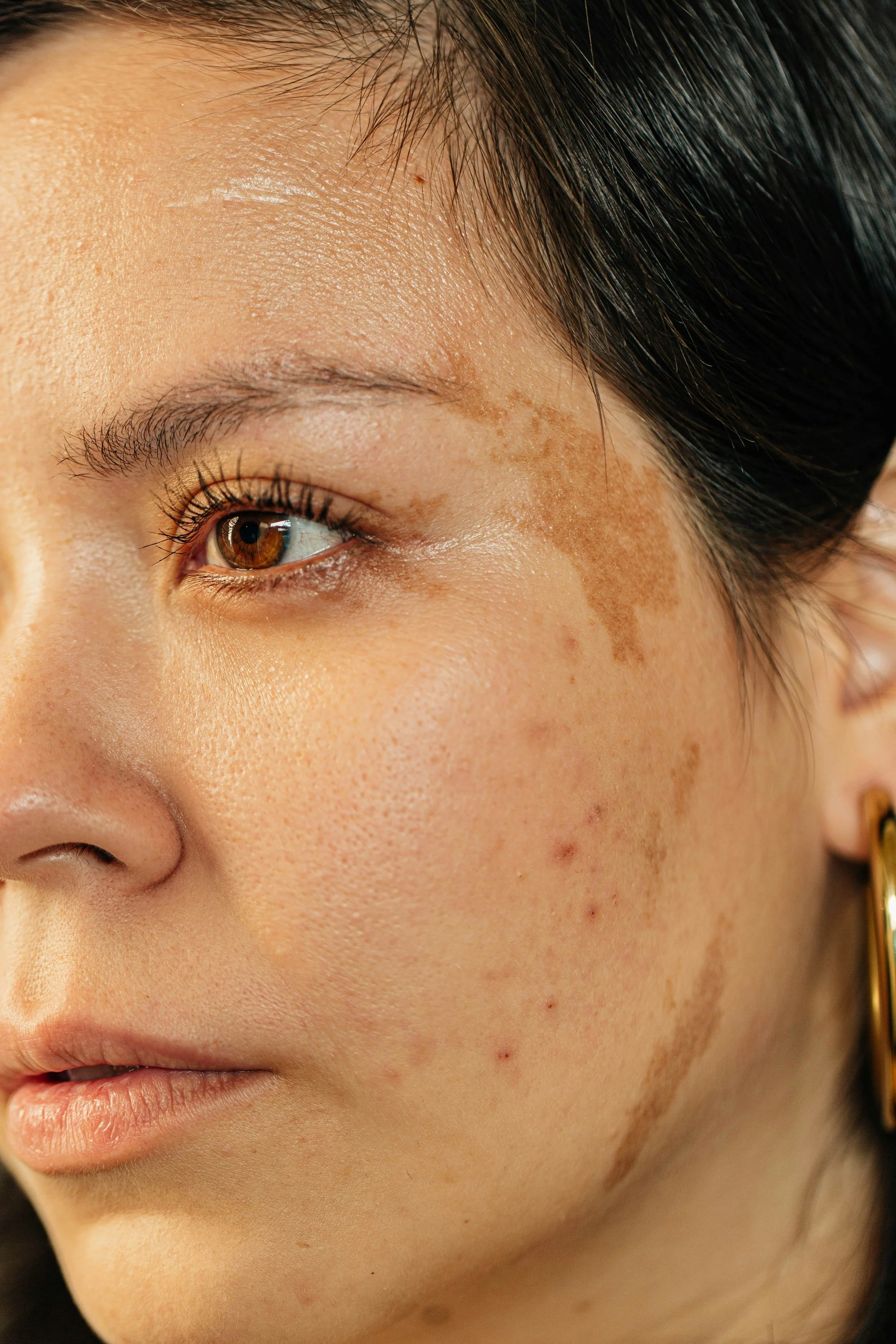
Birthmarks
Birthmarks are coloured skin markings that develop before or shortly after birth — and while most are completely harmless, they vary widely in appearance, size, and type. Some fade naturally over time, others remain unchanged for life, and a small number may benefit from treatment.
The two most common types are melanocytic naevi — pigmented marks caused by an overgrowth of pigment-producing cells — and vascular naevi, which develop from blood vessels and include conditions like port-wine stains and haemangiomas.
At iDerm, Dr Connelly has a special interest in birthmark assessment and treatment — and iDerm is one of only two clinics in New Zealand offering laser treatmentfor certain birthmarks, including port-wine stains.
Or call us on 06 758 0588
Treatments for Birthmarks include:
Surgical treatments
Oral or topical treatments
Treatment Options
Patch Testing
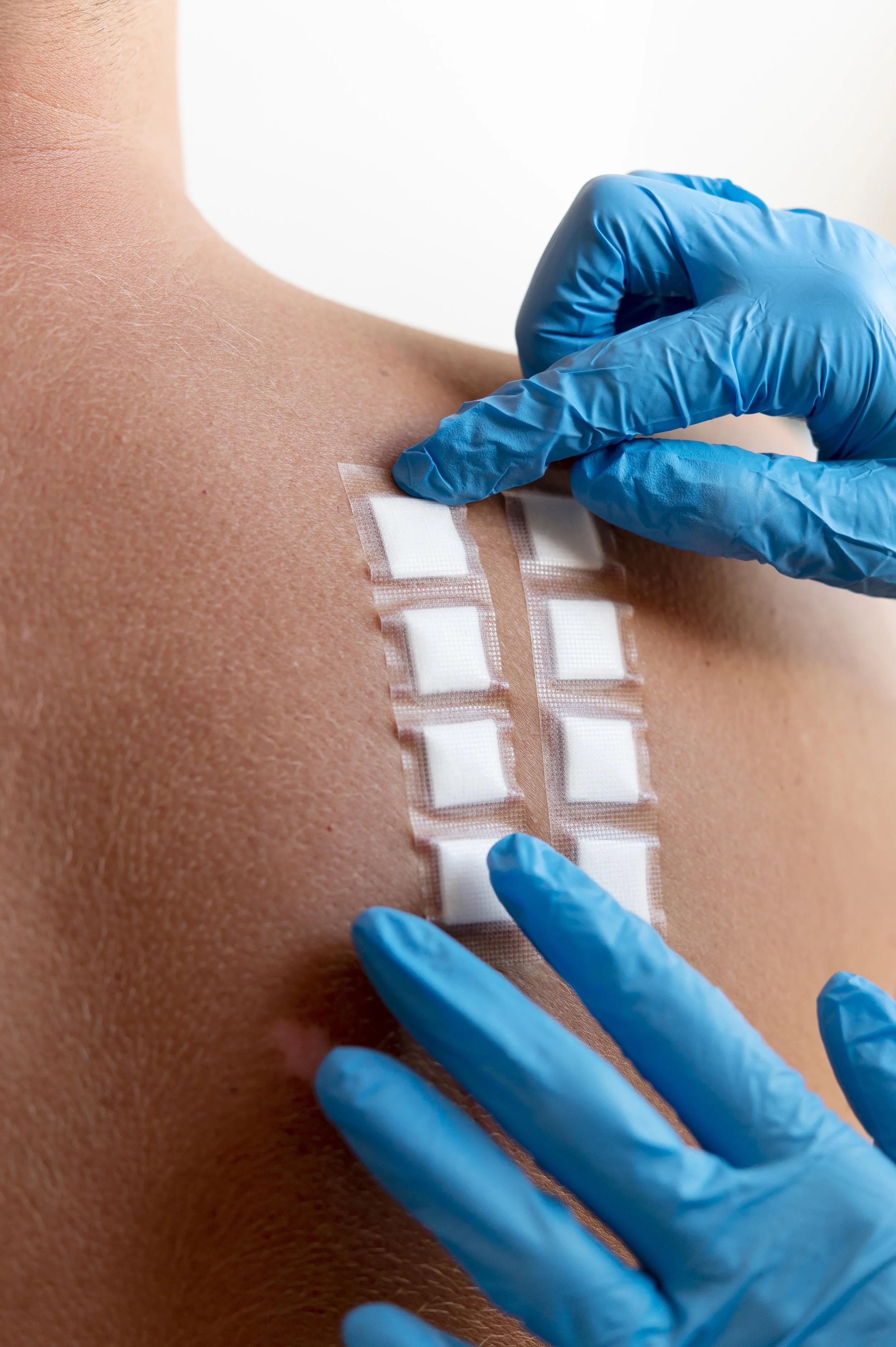
If you're experiencing recurring rashes, persistent eczema, or skin reactions that haven't responded to treatment, patch testing can identify the specific allergens triggering your symptoms. Once identified, Dr Connelly will guide you on how to avoid them and prevent future flare-ups.
-
Small amounts of common allergens (including metals, fragrances, preservatives, dyes, and topical medications) are applied to the back and left for 48 hours. After two days the patches are removed and the skin is assessed for reactions. A follow-up reading is taken 2–5 days later to capture any delayed responses and ensure an accurate diagnosis.
-
Patch testing is recommended for anyone with persistent or unexplained skin reactions, including contact dermatitis, recurring eczema flares or sensitivities to everyday products like cosmetics, skincare, clothing materials or workplace substances. If your skin keeps reacting and you don't know why, patch testing is the most reliable way to find out.
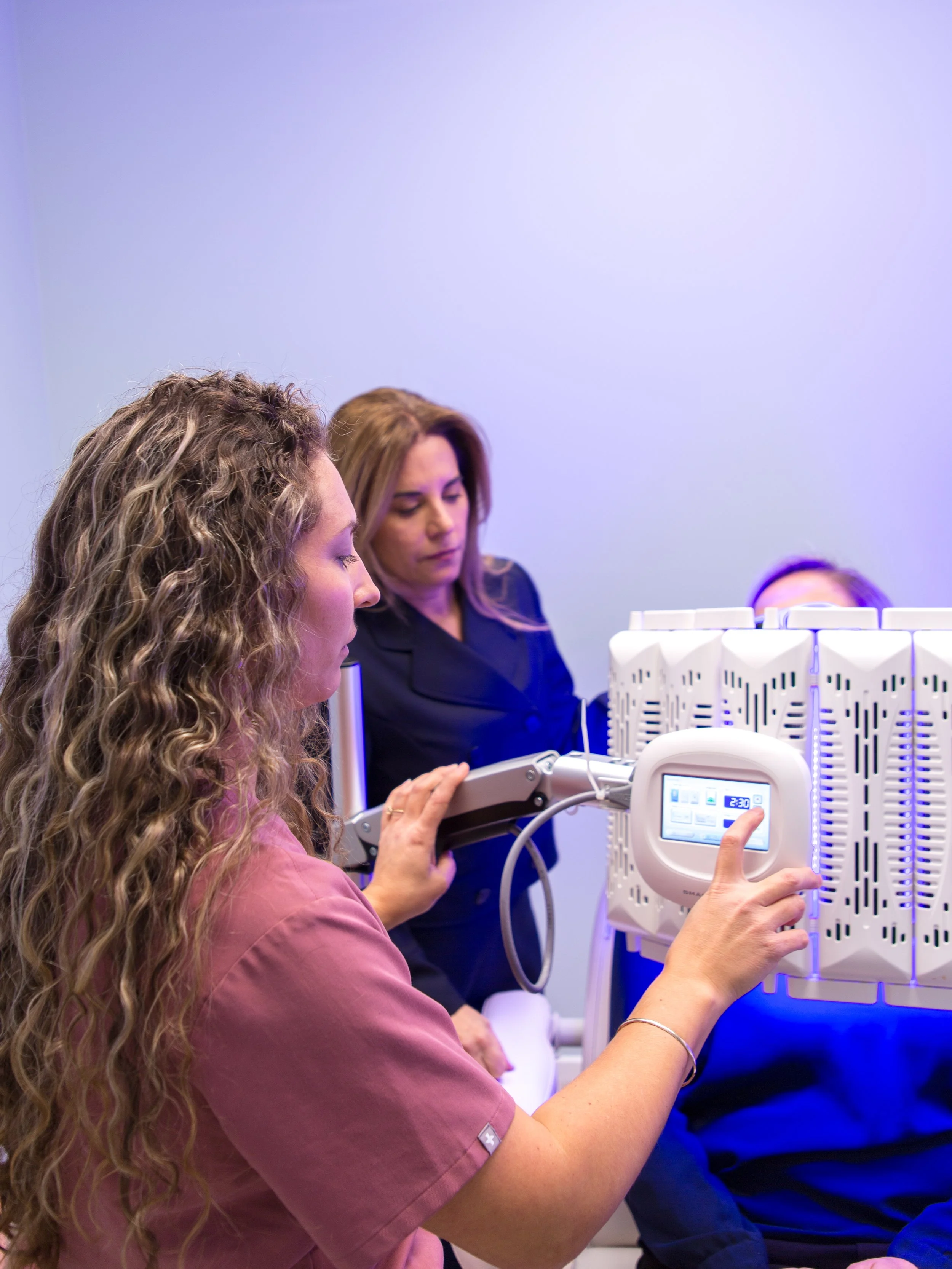
VBeam Laser
The VBeam pulsed dye laser is the gold standard for treating vascular skin conditions. Targeting redness, visible blood vessels, and pigmentation with precision, without damaging the surrounding healthy skin. At iDerm, VBeam is one of our most sought-after treatments, used for everything from rosacea and facial redness to birthmarks and acne scarring. Treatments are quick, non-invasive, and require minimal downtime.
iDerm is one of only two clinics in New Zealand offering VBeam laser treatment for birthmarks, making us a destination clinic for families across the country.
-
VBeam delivers short, precise bursts of light at a wavelength specifically absorbed by oxyhemoglobin inside blood vessels. This converts light to heat, causing the vessel to collapse and be naturally cleared by the body, a process known as selective photothermolysis. Healthy surrounding skin is left completely unaffected. The device features a built-in Dynamic Cooling System to maximise comfort and safety throughout treatment.
-
VBeam is used to treat rosacea and facial redness, broken capillaries and spider veins, port-wine stains and red birthmarks, inflammatory acne and post-acne redness, red and pigmented scarring, angiomas and vascular lesions, and sun-induced pigmentation and age spots.
-
Some redness, mild swelling, and occasional bruising at the treatment site is normal and generally settles within a few days. Many patients notice improvements in skin tone, clarity, and redness shortly after their first session, with results continuing to build over a course of treatments. The number of sessions recommended will depend on your specific condition and how your skin responds, Dr Connelly will discuss this with you at your initial consultation.

Photodynamic Therapy (PDT)
Photodynamic Therapy (PDT) is a clinically proven, non-surgical treatment that selectively destroys abnormal or damaged skin cells, leaving surrounding healthy skin intact. At iDerm, PDT is used to treat a range of conditions from precancerous lesions to acne and sun-damaged skin.
-
A light-activated medication is applied to the targeted area, where it is absorbed preferentially by abnormal cells, making them highly sensitive to light. The area is then exposed to a carefully controlled red or blue light source, which triggers a reaction that selectively destroys the damaged cells while leaving healthy surrounding skin unaffected.
-
PDT is most commonly used to treat actinic keratoses (precancerous sun damage), superficial basal cell carcinoma, and superficial squamous cell carcinoma. It can also be an effective option for acne and more generalised sun-damaged skin, making it a versatile treatment for patients with significant UV exposure history.
-
Following PDT, it's normal to experience some swelling, crusting, scabbing, and temporary darkening of the treated area as your skin heals. In some cases mild blistering may occur. These are all signs that the treatment is working — the skin is clearing damaged cells and regenerating beneath. Most reactions settle progressively over 1–2 weeks.
Sun avoidance is absolutely critical following PDT. The treated skin will be highly sensitive to light in the days after treatment — keep the area covered and avoid direct sun exposure until fully healed. We'll provide you with full aftercare instructions before you leave the clinic
Not sure what treatment is right for you?
Get in touch and we'll point you in the right direction.
Our team is happy to help you figure out the best next step.
Learn about online consultations
Or call us on 06 758 0588

Not local to New Plymouth?
iDerm offers specialist dermatology consultations via telehealth — available to patients across New Zealand. If you'd like to book an online appointment, simply select Online Consultation from the enquiry dropdown above and we'll be in touch.